Estrangement Ideology – Part 18. Is There Any Awareness of the Pain Caused to Parents?
Estranged adult children are aware of the emotion pain they are causing and are not as emotionally detached as they claim.
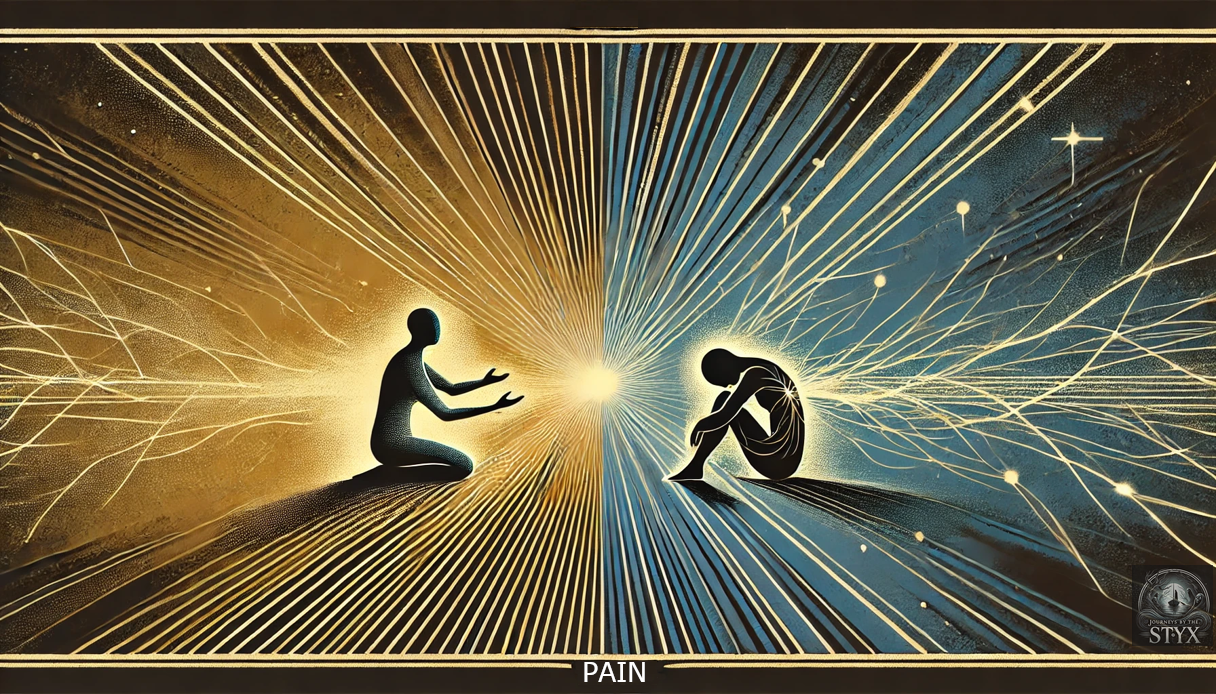
This is the eighteenth in a series of articles concerning Estrangement Ideology. Key concepts are introduced in Part 1. Tenets, Goals and Methods; Part 2. Transgressions, Moral Certitude and Traditional Values; and Part 3. The One-Sided Path to Redemption. Other parts can be found here.
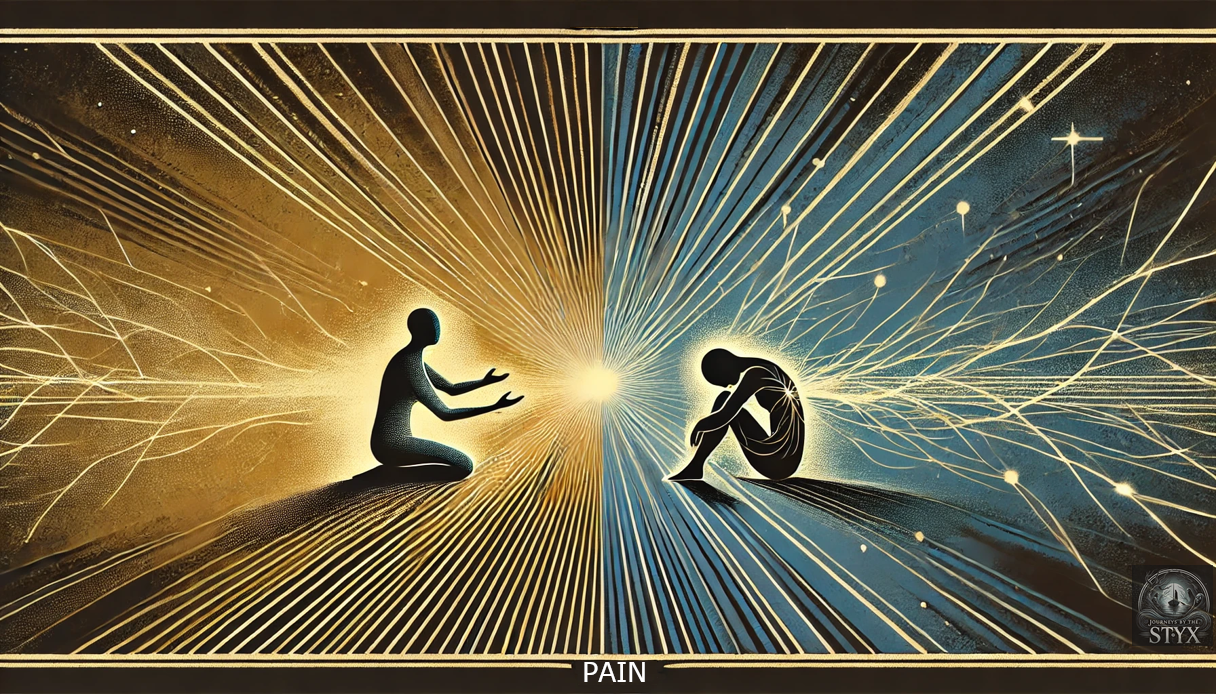
Although the participants of the online Estranged Adult Child forums primarily focus on “self-validation” and "emotional reinforcement for estrangement, some posts reveal underlying concerns about the emotional toll estrangement takes on parents. While many participants in these discussions attempt to frame their estrangement as justified, certain posts hint at lingering empathy, guilt or unease regarding how their parents might be suffering as a result of the estrangement.
Awareness of the Pain Caused to Parents
Despite the overarching narrative that estrangement is necessary for emotional well-being, some Estranged Adult Children express concern about how their parents might be experiencing grief, confusion or emotional distress.
In a thread titled “Threw the ball in her court”, the poster reflects on a recent attempt at indirect communication and wonders how their parent is coping:
“I sent her one last message. If she doesn’t respond, then that’s it. But I can’t help but wonder… is she crying over this? Does she even care?”
This shows a residual emotional connection, where the estranged individual seeks reassurance that they were important to the parent, despite cutting contact. The uncertainty over whether the parent is suffering suggests an internal conflict—on one hand, the estrangement is framed as necessary, yet on the other, there is a clear recognition that it may be hurting the parent deeply.
Similarly, In a thread titled “Why are they still living rent-free in our heads?”, another poster describes being haunted by thoughts of their mother, even after going “No Contact”:
“I wonder if she’s sitting at home thinking about me, wondering what she did wrong. I know I shouldn't care, but I do.”
This quote reflects an ongoing emotional entanglement, where despite rationalising the estrangement, there is lingering concern about the parent's feelings. The phrase “I know I shouldn't care” suggests that within the forum, expressing concern for a parent's well-being may be discouraged, reinforcing a self-protective, emotionally detached stance.
The Finality of Parental Death and Unresolved Emotions
The death of an estranged parent appears to be a major moment of reckoning for many estranged adult children, bringing unexpected grief and a confrontation with the irreversible consequences of “No Contact.”
In a thread titled “My estranged mother passed away”, the poster struggles with the finality of the situation and the loss of an opportunity for reconciliation:
“I thought I'd feel relieved, but instead, I feel this empty pit in my stomach. I can't stop thinking—did she die thinking I hated her?”
This quote directly challenges the assumption that estrangement brings peace. The sudden awareness that the parent may have spent their final moments in emotional pain or regret creates a new layer of guilt and self-reflection, suggesting that estrangement does not always erase the emotional bond, even when contact has ceased.
Similarly, In a thread titled “My estranged dad died yesterday”, another poster expresses an unexpected wave of guilt and emotional conflict:
“He was never a great father, but I still can’t stop thinking about what his last thoughts were. Did he wonder why I never called?”
These reflections show that estranged adult children, despite firm “No Contact” decisions, are still deeply affected by the idea of a parent dying alone or without reconciliation. The permanence of death strips away the illusion that estrangement can be reconsidered later, forcing estranged children to reckon with the emotional fallout of their decisions in ways they may not have anticipated.
Recognising Parents’ Attempts to Reach Out
Some posts indicate an awareness that parents have attempted reconciliation, though these attempts are often dismissed within the community. However, the fact that some estranged adult children even acknowledge these efforts suggests lingering emotional conflict.
In a thread titled “Do you feel guilty for going “No Contact”?”, one individual admits:
“Sometimes, yeah. I get messages from my dad every couple of months and I just ignore them. I know he’s trying, but I just… can’t go back.”
Here, the recognition of the parent’s persistence suggests an internal struggle—the estranged adult child sees the parent’s pain and attempts to reconnect, yet feels unable to respond. The phrase “I know he’s trying” shows acknowledgment that the parent has not fully given up, yet within the estrangement framework, responding might be perceived as a form of weakness or backtracking on their “boundaries.”
Similarly, In a thread titled “They stick up for each other now”, a poster describes their frustration that siblings or other family members continue to defend the estranged parent:
“My brother told me she still cries over me. He says she regrets everything. But that’s not enough. If she really wanted me back, she’d prove it.”
This quote exemplifies the one-sided nature of repair in estrangement ideology, where the burden is entirely placed on the parent to meet the child's emotional and relational demands. However, the mention of the mother's distress and regret shows that the Estranged Adult Child is aware of the parent's suffering, even if they do not currently consider it justification for reconciliation.
Concern for Elderly Parents’ Well-Being
As estranged parents grow older, some estranged adult children express fleeting concerns about their aging, illness or vulnerability.
In a thread titled “Dad had a stroke - maintaining NC”, the poster wrestles with the decision to stay “No Contact” despite their father’s medical crisis:
“I heard from a cousin that my dad had a stroke. Part of me wants to reach out, but I know I shouldn’t. I just keep wondering if he’s scared or alone.”
This shows a moment of genuine concern, where the estranged individual acknowledges the possibility that their parent is suffering and afraid. The phrase “I know I shouldn’t” implies that the community has set expectations that maintaining “No Contact” is the correct course of action, despite personal doubts.
Another post, “Tempted to try to 'rescue' LC father”, also highlights the moral dilemma of seeing a parent struggle but feeling conflicted about intervening:
“I found out my dad is struggling financially and part of me feels like I should help, but I remind myself that he never helped me when I needed it.”
Here, the awareness of the parent’s struggles introduces a moral conflict—the Estranged Adult Child recognises their parent's deteriorating situation, yet feels compelled to rationalise non-intervention as justified payback.
Conclusion
While the dominant rhetoric in Estrangement Ideology suggests that estrangement is an act of self-preservation, these threads reveal underlying emotional struggles, guilt and lingering concern for parents' well-being.
It is evident that:
- Estrangement does not erase the emotional bond—many estranged children still think about their parents’ suffering
- The finality of parental death creates emotional conflicts, as it removes the possibility of future reconciliation
- Many estranged parents attempt reconciliation, but these efforts are often dismissed or ignored
- Aging and illness in parents introduce moral dilemmas—some estranged children feel the urge to help but resist on principle.
These themes suggest that estrangement does not always provide the emotional relief its advocates claim and that many Estranged Adult Children continue to struggle with the long-term emotional impact of their decisions.
Note: This article was developed with assistance of ChatGPT, used as a structured analysis and writing tool. All ideas, interpretations and final outputs were authored, verified and edited by me. The model was conditioned to reflect my reasoning, not to generate content independently.